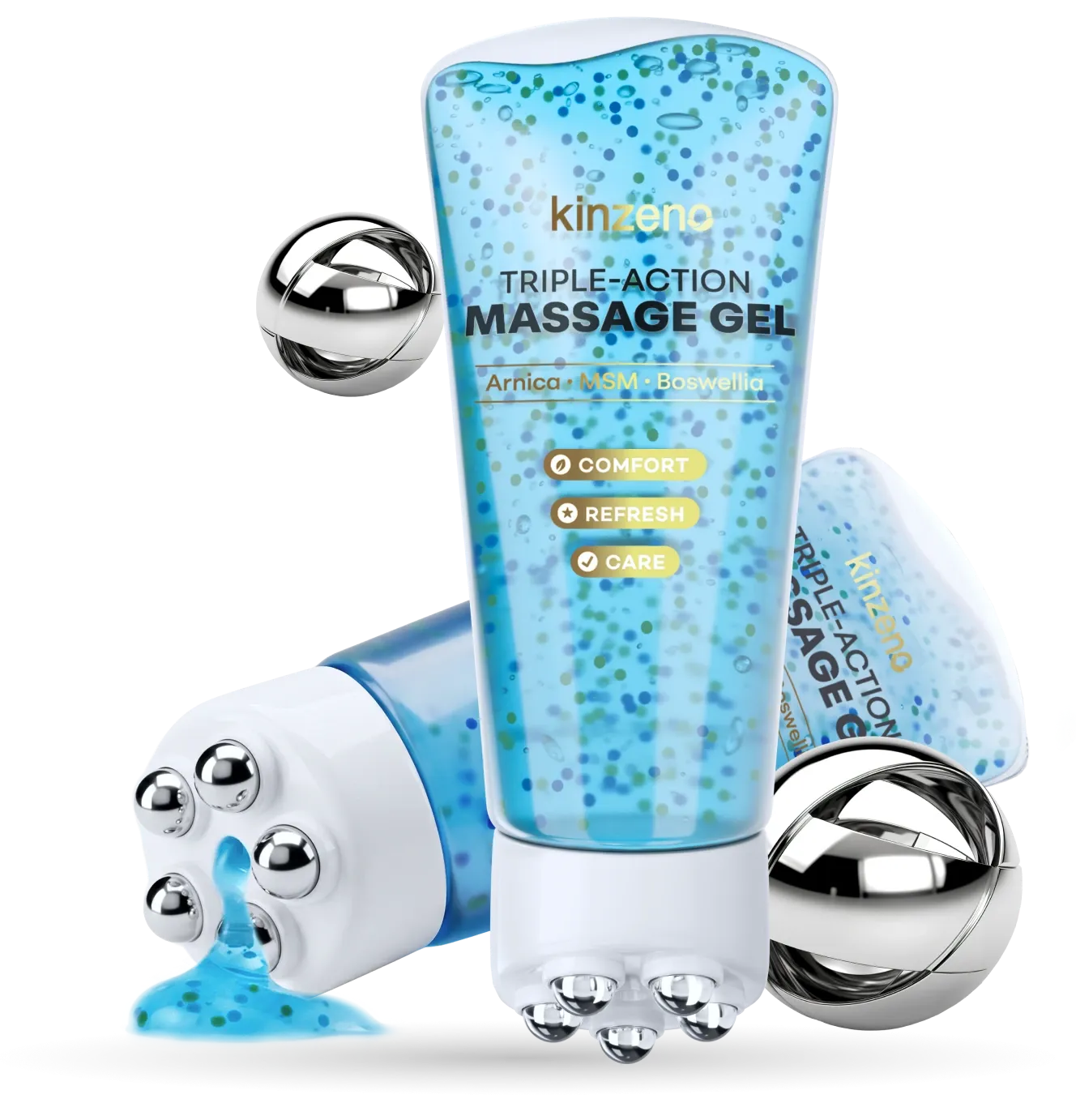
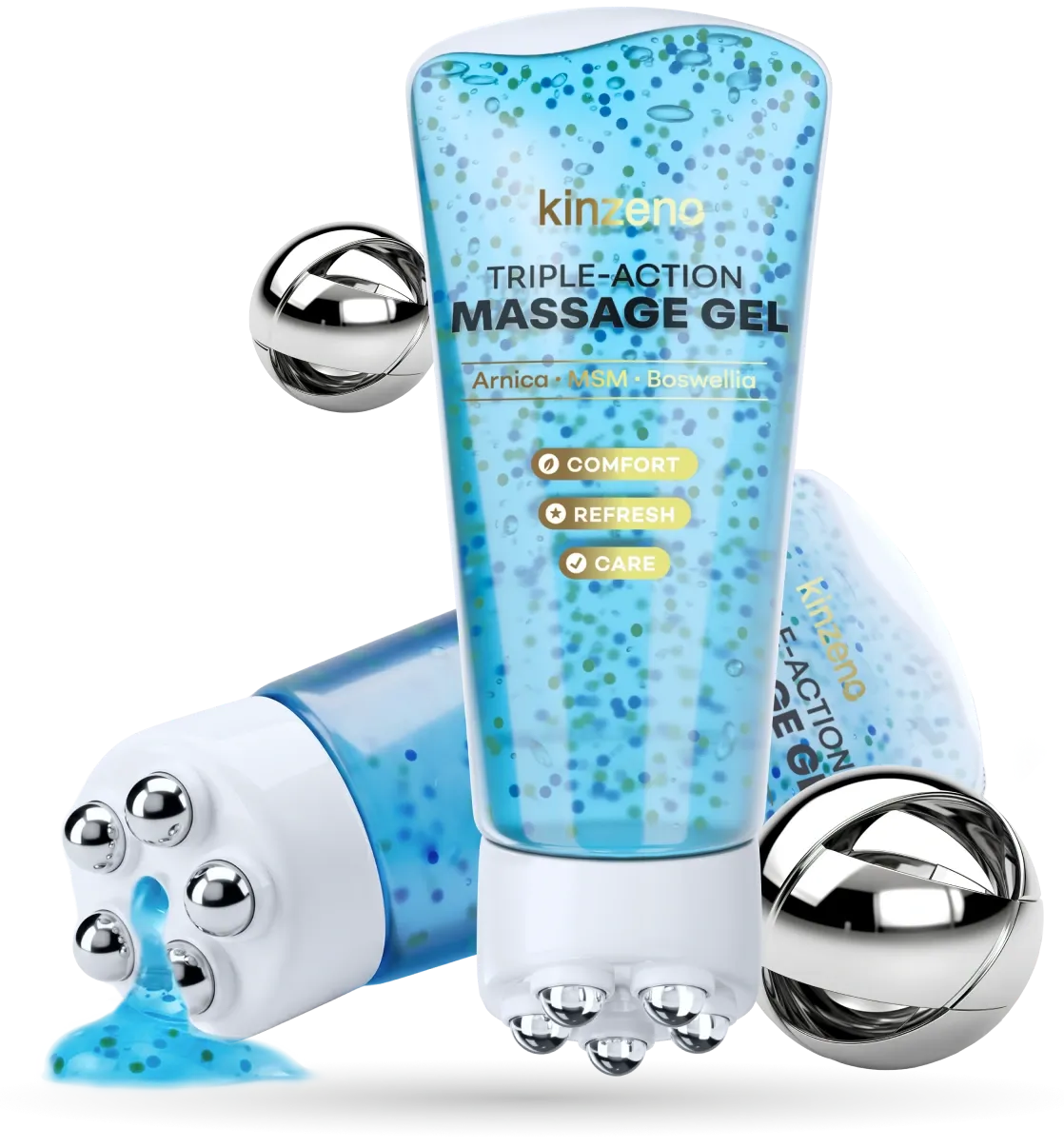
Kinzeno Roller Gel is a roll-on body gel with five moving magnetic rollerballs built into the cap. A new approach to at-home self-massage: you glide, the rollerballs work the tissue, and a botanical gel goes on exactly where you rolled — without your hands ever touching the product.
Cosmetic body-care product. Not a medicine and not a medical device.
Five rotating contact points do the kneading work your thumbs would.
Lower back, shoulder blades, calves — no second pair of hands.
Every ingredient below links to peer-reviewed literature, including the negative results.
A minute while the kettle boils. That's the whole design brief.
The idea
Most of us already know the two habits that make a long day in the body feel better: massage and a good topical gel. The problem is that they never happen together. Massage needs two free hands, decent grip strength and someone to reach your lower back. A gel needs to be squeezed out, rubbed in, then washed off your fingers.
Kinzeno merges the two: the mechanical work of a hands-on massage and a botanical formula, delivered in a single pass — with your hands staying clean and dry.
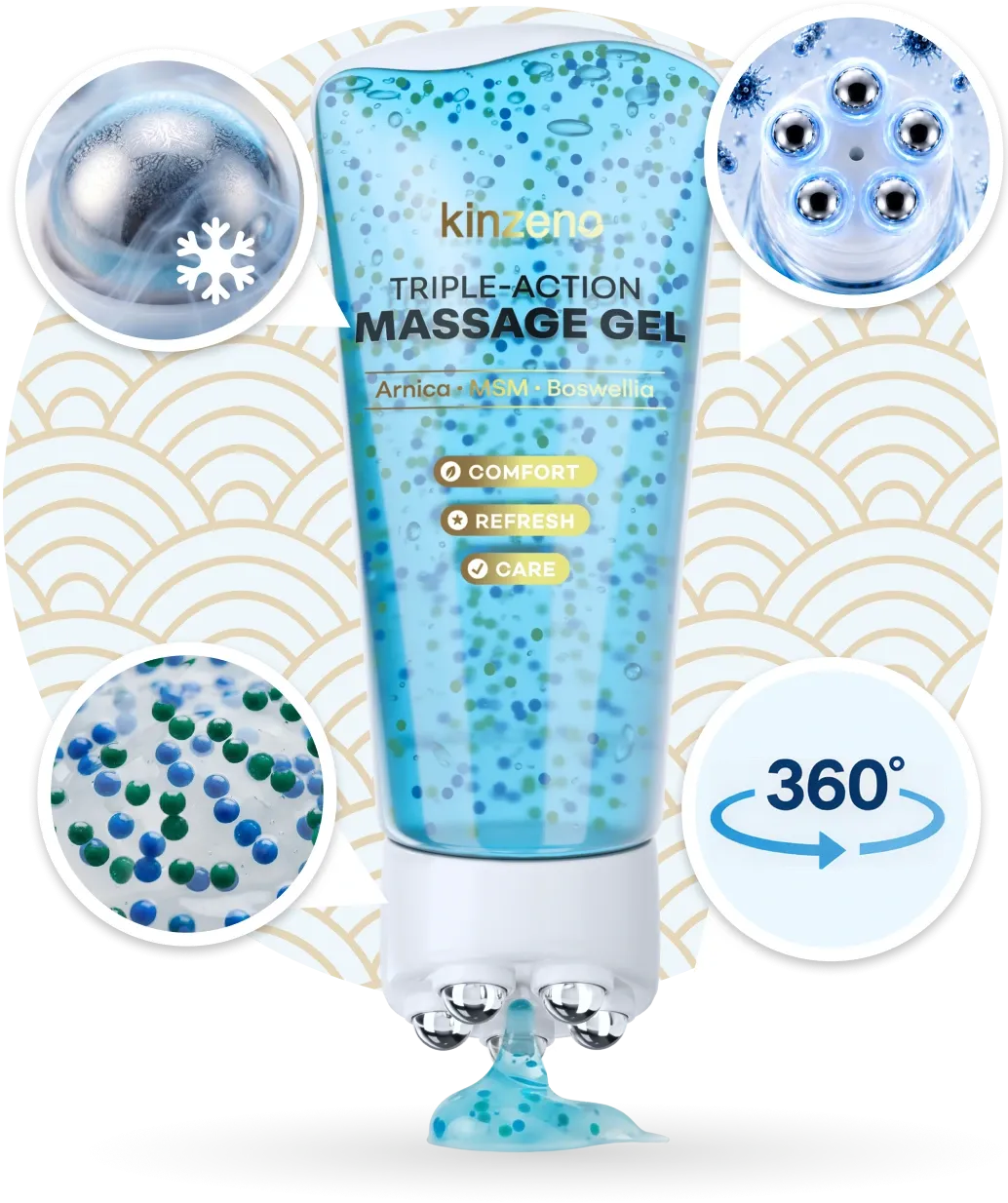
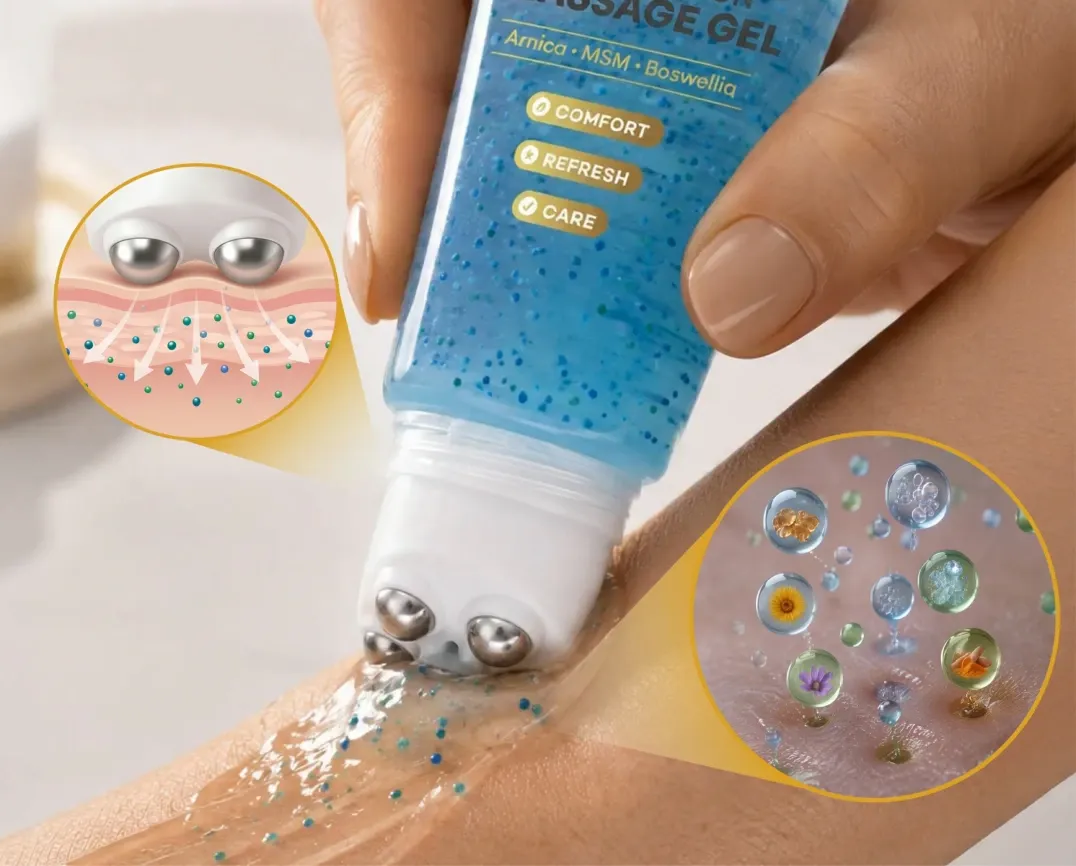
The applicator head carries five neodymium-weighted rollerballs that rotate freely in a 360° housing, so the bottle glides in any direction — up the calf, across the shoulder blade, along the lower back — while the gel is released through the roller gaps in a thin, even layer.
In your day
Not conditions or diagnoses — just the ordinary tightness that comes with using your body, and the moments when a minute is actually available.
Across the shoulders while the kettle boils. Odour-neutral and non-greasy, so you can get dressed straight afterwards.
Lower back and calves, standing up, one-handed. No cream on your fingers before you go back to work.
Thighs, calves and shoulders while you cool down — the window when self-massage is most likely to actually happen.
Feet, arches and lower back before bed. It doesn't mark the sheets, which is the reason most people give for keeping it on the bedside table.
How it works
Roll, cool, absorb. About a minute per area, two to four times a day.
Five rotating balls mean five points of contact instead of one flat surface. As you press and glide, the balls knead the skin and the muscle layer beneath it — the same kneading and gliding motion used in a manual massage, just delivered by the bottle instead of your thumbs.
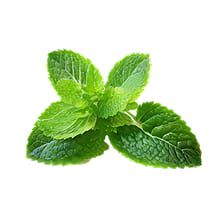
A low dose of menthol gives the immediate cool feeling you notice on contact. Menthol is also one of the best-characterised topical ingredients for this: applied to the skin it activates TRPM8 receptors and measurably increases blood flow in the skin's microvasculature.
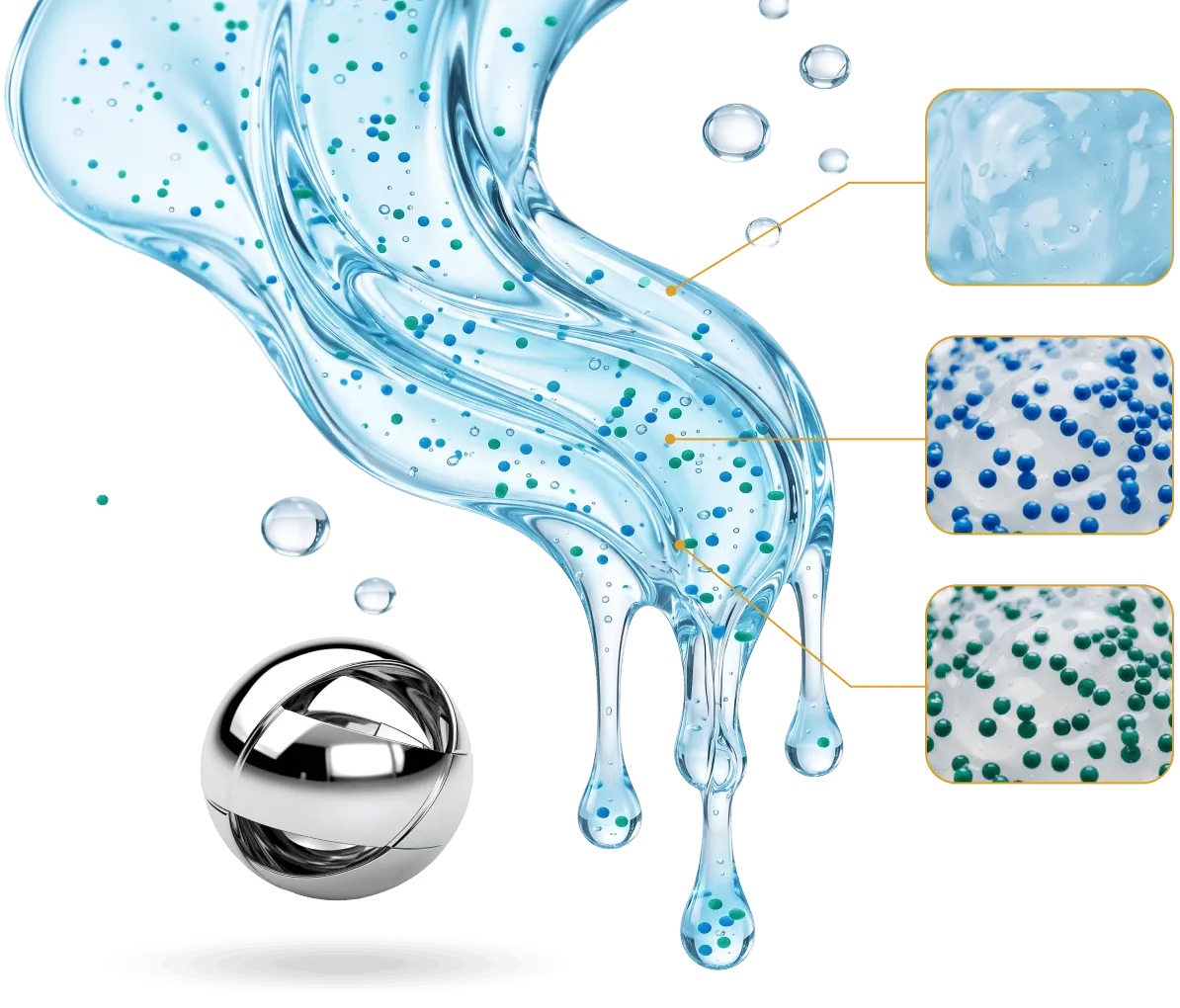
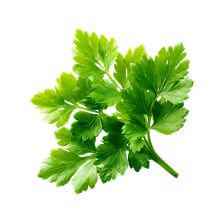
Behind the roller comes the gel: turmeric, ginger, ginseng, boswellia, arnica, magnesium, MSM, moringa, vitamin E and more than 20 further plant and mineral ingredients. It absorbs fast, doesn't leave a film and has no medicinal smell.
Schematic of the reported time course of menthol-induced cutaneous vasodilation in human studies: skin blood flow rises within roughly 30 minutes of application and returns towards baseline by about 60 minutes.[5] Illustrative shape only — not measurements of this product.
See it in use
No squeezing, no rubbing in, no awkward angles.
The gel travels through the roller head straight onto the skin. Nothing on your fingers, nothing to wash off.
The 360° head rotates as you move, so the lower back, shoulder blades and backs of the knees are all reachable on your own.
No sharp medicinal smell and no greasy residue. Use it before bed or before you get dressed for work.
The applicator
The five balls in the head are neodymium — the same dense rare-earth magnets used in precision hardware. There are two practical reasons for that choice. First, weight and hardness: a dense ball holds its shape under pressure and transfers a firm, even push into the tissue instead of skidding across the surface. Second, magnetic seating: the balls are held in their housings magnetically, which lets them spin freely in any direction and keeps the gel channel sealed when you're not using it.
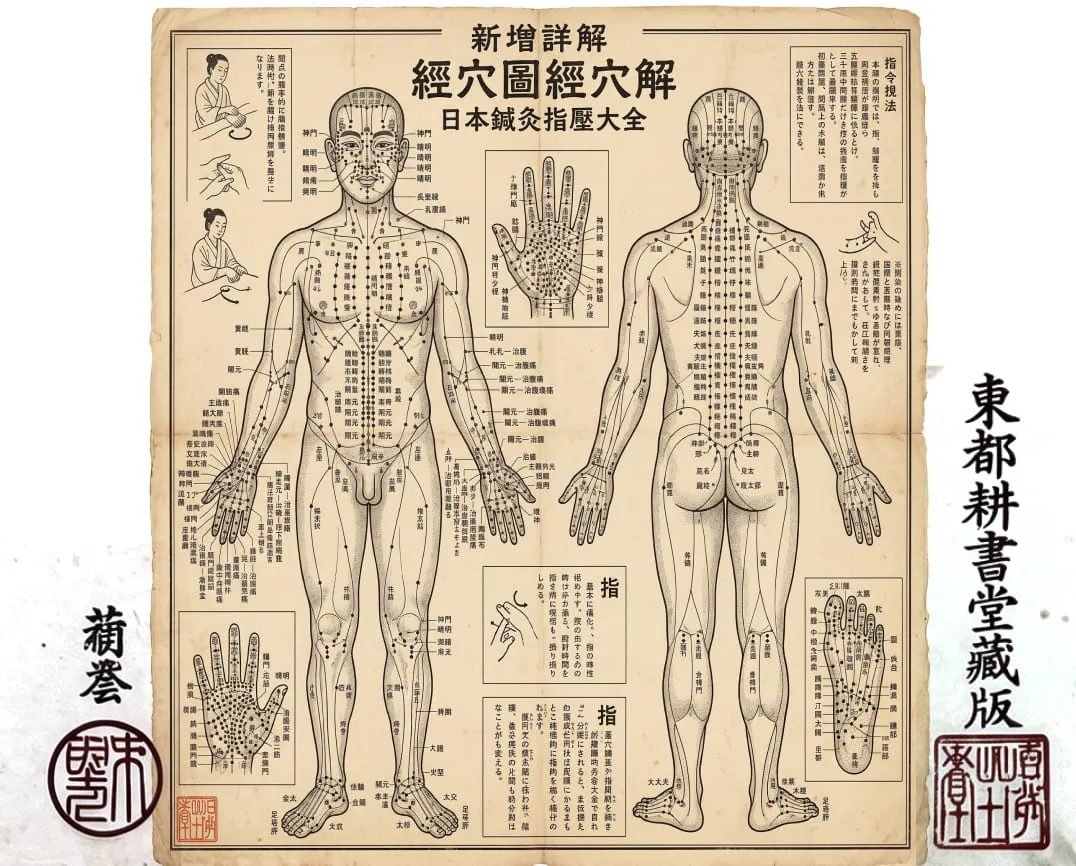
The five contact points are spaced to follow the classic Japanese Shiatsu pressure lines used in traditional bodywork, which is where the layout came from. That's a design and tradition reference, not a medical mechanism — the tension relief you feel comes from the massage itself, not from the magnets.
Important safety note: because the head contains strong magnets, this product is not suitable for anyone with a pacemaker, ICD, cochlear implant, insulin pump or any other implanted electronic medical device.
Where the layout comes from
Japanese Shiatsu and acupressure traditions map the body as a set of lines and points that practitioners work with the thumbs. The five-ball layout mirrors that spacing so the head covers a band of tissue rather than a single spot as you move it along a muscle.
We're describing an aesthetic and traditional reference here, not a mechanism of action. Nothing on this page claims that pressing specific points treats a condition — the useful part is simply that a spaced, multi-point head distributes pressure more evenly than one fingertip.
The evidence, ranked honestly
Most pages like this one flatten everything into a single confident claim. Here's the same information with the strength of the underlying human evidence shown separately for each part.
A meta-analysis of 99 studies comparing post-exercise recovery techniques found massage to be the most effective single method for reducing delayed-onset muscle soreness and perceived fatigue.[2] A separate systematic review and meta-analysis of randomised trials found soreness ratings significantly lower at 24, 48 and 72 hours versus no intervention.[3]
A 2020 review of 29 trials in 1,012 participants was more conservative: no performance benefit, but small, statistically significant improvements in flexibility and soreness.[4]
Laser Doppler and laser speckle studies in humans show dose-dependent increases in cutaneous blood flow via TRPM8 receptors, detectable within about 30 minutes.[5] This is skin microvasculature — not deep tissue, and not a therapeutic claim.
A 2025 review of 23 human and animal studies concluded the evidence does not support static magnetic fields increasing blood flow.[1] That's why the magnets are presented here as a mechanical feature of the applicator and nothing more.
The routine
Pick an area to see the movement, the timing and the thing most people get wrong.
Start at the base of the skull and roll downward and outward along the top of the shoulder, following the muscle rather than the bone. Three passes each side, light pressure.
Most common mistake: pressing on the spine itself. Stay on the soft tissue either side.
Reach over the shoulder and roll along the inner edge of the shoulder blade, then across towards the arm. Swap hands and repeat on the other side.
Let the 360° head rotate — you don't need to keep the bottle upright.
Reach behind with a relaxed arm and roll in short horizontal bands from the waistline upwards, working one side at a time. This is the zone most people simply cannot do with a cream.
Stand up straight rather than bending — you'll get better contact and better reach.
Sit down and roll upward from just above the knee towards the hip in long strokes, then across the outer thigh. Larger muscles can take firmer pressure.
Long, slow strokes beat fast scrubbing. Aim for roughly one stroke per second.
Always roll upward, from the ankle towards the back of the knee, then repeat down the front of the shin with lighter pressure. Ideal after a shift on your feet or a long flight.
Skip the back of the knee itself and any visible varicose veins.
Cross one ankle over the opposite knee and roll along the arch from heel to ball of the foot, then across the top. Finish sitting still for a minute while it absorbs.
Do this one last, and let it dry before you walk — the gel is thin but the floor isn't forgiving.
The formula
Every ingredient below is linked to a peer-reviewed source so you can read it yourself. Each card is tagged with the type of evidence behind it — human trial, laboratory or animal research, or genuinely contested — rather than blurring them together. Use the filters to see only what you care about.
Arnica montana extract
The classic European botanical for tired, overworked muscles. In a double-blind randomised trial, well-trained men who applied topical arnica after intense downhill running reported less muscle tenderness and lower pain scores at 72 hours than placebo — though blood markers of muscle damage were unchanged.
Human RCT: Pumpa et al., Eur J Sport Sci 2014 · Review: Plants (Basel) 2024
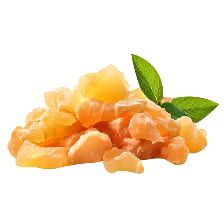
Boswellia serrata resin extract
The resin's boswellic acids — particularly AKBA — are among the best-studied plant anti-inflammatory compounds, acting on 5-LOX, NF-κB and COX-2 pathways. Reviews also note its long history of topical use on the skin.
Pharmacology review: Int J Mol Sci 2019
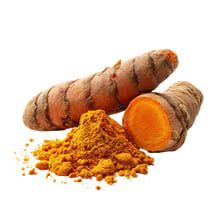
Curcuma longa root extract (curcumin)
Curcumin's problem taken orally is bioavailability — almost none of it gets absorbed. Applied to the skin that limitation largely disappears, which is why dermatology reviews treat topical curcumin as a separate and more promising story: antioxidant and anti-inflammatory activity delivered locally.
Dermatology review: Int J Mol Sci 2024 · Clinical review: Clin Cosmet Investig Dermatol 2024
Curcuma zedoaria root extract
Turmeric's less familiar cousin, used across South and Southeast Asia in traditional preparations for tired bodies. A pharmacology review of its chemistry and ethnomedicinal record notes anti-inflammatory and antioxidant activity among its documented properties. It adds to the formula's overall antioxidant load.
Pharmacology review: J Pharm Pharmacol 2009
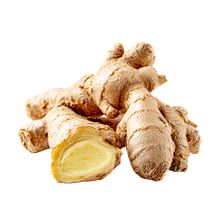
Zingiber officinale root extract
Warming, and one of the few botanicals with directly relevant human data on muscles: in two double-blind randomised trials, 11 days of ginger reduced muscle pain 24 hours after eccentric exercise by roughly a quarter versus placebo. Those trials used oral ginger — in this gel it's a topical botanical, so treat the evidence as supportive background rather than a promise.
Human RCTs: Black et al., J Pain 2010
Mannitol
A sugar alcohol that works two ways in a gel. Physically it's a humectant and free-radical scavenger with a long safety record. It also has genuinely interesting topical data: in a double-blind randomised crossover trial, a mannitol cream reduced capsaicin-induced pain scores faster than the identical cream without it — apparently via a TRPV1 effect.
Human RCT: PM R 2015 · Cosmetic review: Int J Cosmet Sci 2016
Panax ginseng root extract
Ginseng's active ginsenosides are widely used in Korean skincare. Systematic reviews of the skin literature credit them with antioxidant and anti-inflammatory activity and a role in supporting collagen and hyaluronic acid levels — largely from laboratory and animal models so far.
Systematic review: J Ginseng Res 2023
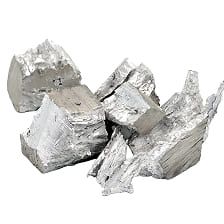
Magnesium salts
The mineral people associate with relaxed muscles. Be aware that transdermal magnesium is contested: a pilot RCT of a 56 mg/day magnesium cream found a rise in serum magnesium that reached significance only in a non-athlete subgroup, and a review in the same period called the wider claims unsupported. We include it for the feel of the formula, not as a delivery promise.
Pilot RCT: PLoS One 2017 · Critical review: Nutrients 2017
Methylsulfonylmethane (dimethyl sulfone)
A small sulfur compound studied mainly in athletes. Trials report reduced markers of exercise-induced oxidative stress, and a randomised placebo-controlled study in half-marathon runners found lower post-exercise muscle and joint discomfort — at clinically, though not statistically, significant levels. An honest "promising but unfinished" ingredient.
Human RCT: J Int Soc Sports Nutr 2017 · Oxidative stress RCT: Iran J Pharm Res 2013
Menthol
The best-evidenced ingredient here, and it's what you feel first. Human studies using laser Doppler and laser speckle imaging show topical menthol increases skin blood flow in a dose-dependent way via TRPM8 receptors, sensory nerves and endothelium-derived factors — detectable within 30 minutes and cleared by about 60. Kept at a low, odour-neutral level in this gel.
Human study: Microvasc Res 2016 · Mechanism & time course: PMC 2017 · TRPM8 RCT: Microvasc Res 2022
Allantoin
A soothing, keratolytic classic that has been in emollients for decades. Published work characterising how it behaves on skin points to regulation of the inflammatory response plus stimulation of fibroblast activity and extracellular-matrix synthesis — laboratory and animal findings. Here its job is simply to keep freshly rolled skin comfortable.
Mechanism study: Acta Cir Bras 2010
Tocopherol / tocopheryl acetate
A fat-soluble antioxidant that has been a dermatology staple for more than 50 years, valued as a free-radical scavenger and for its photoprotective and anti-inflammatory behaviour in the skin. It also helps protect the botanical oils in the formula from oxidising in the bottle.
Dermatology review: Indian Dermatol Online J 2016
Moringa oleifera leaf extract
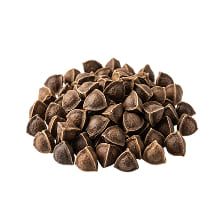
The "miracle tree" leaf, dense in kaempferol, quercetin, rutin and ferulic acid. Topical formulation studies show measurable antioxidant activity and improved skin hydration with reduced transepidermal water loss, and a human trial of a 3% moringa cream reported improved skin elasticity and firmness.
Human trial: Saudi J Biol Sci 2014 · Formulation study: S Afr J Bot 2020
Panthenol (B5), inositol and related B vitamins
Panthenol is the workhorse: a randomised, double-blind, placebo-controlled human study found seven days of topical dexpanthenol improved stratum corneum hydration and reduced water loss versus vehicle, stabilising the skin barrier. That matters in a product you'll use two to four times a day.
Human RCT: Arzneimittelforschung 2000 · Review: J Dermatolog Treat 2017
Betaine
More than a humectant. Work published in the British Journal of Dermatology showed that treating human skin with betaine increased expression of the tight-junction proteins claudin-1, claudin-4 and occludin, and improved tight-junction function in keratinocytes — helping the skin hold onto its own water.
Lab & ex vivo study: Br J Dermatol 2020
Plus more than 20 further plant and mineral ingredients, including inositol and additional B vitamins. Full ingredient list is printed on the pack — please read it before use.
Why the order matters
Think of a tight muscle as a clenched fist. Rubbing a cream onto a clenched fist doesn't achieve much. The reason the roller comes before the gel isn't marketing — it's sequencing. The rollerballs work the tissue and warm the area, then the botanical layer goes on to skin that's already been prepared and where surface blood flow has picked up.
It's the same logic a massage therapist uses when they warm an area before working on it, and the same reason menthol's measured effect on skin blood flow is useful in a massage gel rather than a plain moisturiser.
Where it fits
A roller gel isn't better than everything — it's better at being the thing you'll actually reach for twice a day. Here's the trade-off in plain terms.
| Kinzeno roller gel | Cream or gel by hand | Massage gun | Therapist visit | |
|---|---|---|---|---|
| Reach your own lower back | ✓ | ✗ | partly | ✓ |
| Works without grip strength | ✓ | ✗ | heavy to hold | ✓ |
| Hands stay clean and dry | ✓ | ✗ | ✓ | ✓ |
| Applies a botanical formula | ✓ | ✓ | ✗ | oil only |
| Silent, no charging or batteries | ✓ | ✓ | ✗ | ✓ |
| Fits in a bag or bedside drawer | ✓ | ✓ | ✗ | ✗ |
| Skilled hands and assessment | ✗ | ✗ | ✗ | ✓ |
| Realistic frequency | 2–4× daily | when you bother | a few times a week | monthly, if that |
Comparison of product formats in general terms, for orientation only. Nothing here implies that Kinzeno replaces treatment, assessment or advice from a qualified health professional — for that, see a professional.
What to expect
No "results in 3 days" promises and no percentages — here's the realistic sequence, described in terms of sensation and habit, because that's what a cosmetic massage gel actually influences.
First use
The cooling sensation arrives within seconds and the area feels attended to. The gel absorbs in about a minute with no film left behind.
First few days
Most people settle on two or three areas they return to — usually the lower back, shoulders or calves — and a time of day that sticks.
First two weeks
A 60-second pass is short enough to survive a busy week. This is the point of the format: consistency beats intensity for self-massage.
Ongoing
Used the way people use it — after a shift, after sport, before bed — it supports a feeling of lightness and comfort in movement. Individual experience varies.
Self-massage rewards consistency far more than intensity. If you only take three things from this page, take these.
Who it suits
Nurses, tradies, hospitality, retail, teachers. Calves and lower back at the end of a shift — the roller reaches both without help.
Eight hours at a screen leaves the upper back tight. A minute across the shoulder blades between meetings is realistic; a full massage isn't.
That day-after heaviness after a hard session, a weekend game or a Sunday in the yard. Massage is the recovery method with the most consistent research behind it.
No squeezing a tube, no pressing with the thumbs, no cream on the fingers. You hold the bottle and glide — the applicator supplies the pressure.
Customer experiences
Individual experiences shared by verified customers. Results and experiences differ from person to person.
“I bought it for my calves after shifts. What actually won me over is that I can do my own lower back. I never managed that with a cream.”
“The cool feeling hits straight away and there's no smell at all. I use it before bed and it doesn't mark the sheets, which was my main worry.”
“My hands aren't strong enough to massage properly any more. Rolling it takes no grip. That's the whole reason it stays on my bedside table.”
“Used it across the shoulders after long days at the desk. It's become the thing I do while the kettle boils.”
“Goes on dry, absorbs fast, no greasy film. I keep one in the gym bag and one in the car.”
“Gardening weekends used to leave me stiff the next morning. The roller is now part of packing up the tools.”
Testimonials and the rating breakdown are supplied by the manufacturer and reproduced with the offer. They describe individual experiences only, are not evidence of any therapeutic effect, and do not guarantee that you will experience the same.
Before you order
No — and we won't pretend otherwise. Kinzeno Roller Gel is a cosmetic massage gel. It is not a medicine, a drug or a medical device, and it is not intended to diagnose, treat, cure, prevent or relieve any disease or medical condition.
What it is designed for is everyday body care: self-massage that helps release the feeling of muscle tension, supports local circulation in the skin and soft tissue, and helps you feel less stiff and more comfortable in movement after activity. If you have a diagnosed condition or ongoing symptoms, please talk to your GP, physiotherapist or pharmacist.
No. The applicator head contains neodymium magnets. Do not use this product if you have a pacemaker, implantable cardioverter defibrillator (ICD), cochlear implant, insulin pump, neurostimulator or any other implanted electronic medical device. If you are unsure, speak to your cardiologist or device specialist before use.
The gel is applied externally and contains no oral NSAIDs. The manufacturer reports no known interactions with commonly used medicines including anticoagulants and blood pressure medication. That said, we're not in a position to assess your individual situation: if you take multiple medicines or are under active medical care, check with your pharmacist or doctor before adding any new topical product to your routine.
No on both counts — this was a deliberate formulation choice. Menthol is kept at a low, odour-neutral level, so there's no strong liniment smell. The gel is fast-absorbing and non-greasy, so you can apply it before bed or before getting dressed.
Shake lightly, then press the roller head against clean, dry, intact skin and glide over the area for 30–60 seconds using light to moderate pressure. Let the thin layer absorb — there's no need to rub it in. Use two to four times daily, or as suits you. For external use only. Wipe the roller head clean after use.
The zone-by-zone routine higher up this page covers the direction of travel for each area, which is the part most people get wrong.
That depends entirely on how many areas you treat and how often. Because the gel is dispensed as a thin layer through the roller head rather than squeezed out by hand, the dose per pass is small and consistent — which is part of why the format is economical compared with rubbing cream on by hand. Exact volume and usage guidance are printed on the pack.
Do not use on broken, irritated, sunburnt or infected skin, or on mucous membranes. Avoid contact with eyes and lips. Do not use if you are allergic or sensitive to any listed ingredient. If you have sensitive skin, a known allergy, a skin condition, are pregnant or breastfeeding, or are receiving medical treatment, consult a qualified health professional before use. Keep out of reach of children. Discontinue use immediately if redness, burning, itching, swelling or rash occurs, and seek medical advice if symptoms persist.
Yes — the manufacturer ships Australia-wide. Orders are placed on the official Kinzeno site, where current pricing, bundle options, delivery times and payment methods are shown at checkout in your local currency.
Kinzeno is backed by a 60-day money-back guarantee: if you're not satisfied for any reason, contact support within 60 days of purchase for a refund. Full terms are set out in the Returns & Refunds Policy. Your rights under the Australian Consumer Law are not affected.
Every source is linked in the ingredient section and listed in full at the bottom of this page, with the study type stated — human randomised trial, systematic review, or laboratory/animal research. We've also included the studies that came out negative or inconclusive, such as those on static magnets and transdermal magnesium, because leaving them out would give you a misleading picture.
The studies describe the ingredients, not this finished product. Kinzeno Roller Gel has not itself been the subject of clinical trials.
Availability
Kinzeno is sold direct by the manufacturer, so pricing, multi-pack options and delivery are all confirmed on the official order page. Current promotional pricing and the 60-day money-back guarantee are shown there.
You'll be taken to get-kinzeno.com. Cosmetic body-care product — not a medicine or medical device.
References